
Is Air Duct Cleaning Worth It in New Haven, CT? Here’s When It Actually Makes Sense
Air duct cleaning is worth it when your system shows documented contamination—visible mold growth, pest infestation, or debris clogging airflow—but it’s not routinely necessary for every home. In New Haven, the combination of pre-1940 housing stock, coastal humidity from Long Island Sound, and decades of neglected retrofitted ductwork means those documented conditions appear far more often than national averages suggest. If you’re seeing dust plumes from vents, musty odors when the heat kicks on, or your energy bills climbing without explanation, a professional assessment will tell you whether cleaning delivers real value or just an invoice. Call (844) 981-4535 for a no-pressure evaluation.
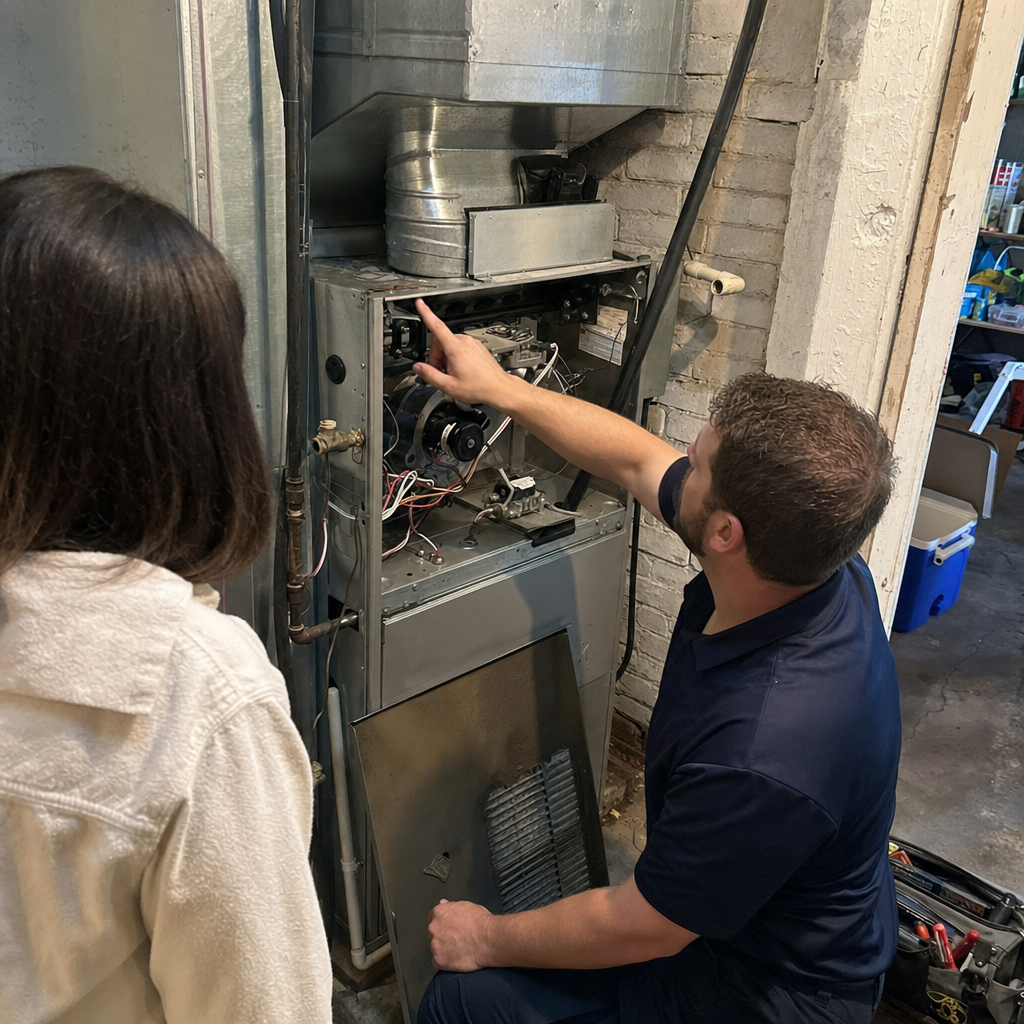
What Brian Finds When He Opens Ducts in Dwight and East Rock
The EPA’s position is straightforward: duct cleaning hasn’t been proven to prevent health problems in homes without specific contamination. That’s a fair statement for a 2005 suburban ranch with clean filters and no moisture history. It’s a different conversation when Brian Rivera pulls a camera through a return air plenum in a Dwight Street triple-decker and documents what’s been growing there since the Clinton administration.
We’ve scoped ductwork in New Haven’s rental corridors—Edgewood, Wooster Square, the blocks between Yale and the train station—where the same patterns repeat. Original 1920s galvanized sheet metal, crimped and duct-taped over multiple tenancy cycles, packed with debris no property manager has addressed since the furnace swap-out. Coastal humidity from New Haven Harbor seeps into unconditioned basements where these retrofitted runs sit, and the biological growth that results isn’t theoretical. It’s visible, it’s measurable, and it’s exactly the condition the EPA itself identifies as a legitimate reason to clean.
Brian grew up in Westville, trained at Gateway Community College right here in New Haven, and has spent eight years crawling through these systems. He’ll tell you what your system needs — not what adds to the invoice. Sometimes that’s a full cleaning with Rotobrush agitation and Nikro HEPA extraction. Sometimes it’s a simple filter upgrade and a recommendation to check back in two years. The worth-it calculation starts with what’s actually inside your ducts, not a national debate about averages.
Performance vs. Hygiene: Two Different Reasons to Clean
Not all “worth it” answers are the same. We separate the question into two distinct outcomes, and the distinction matters for New Haven homeowners deciding whether to schedule service.
Cleaning for Performance: When Debris Restricts Airflow
Forced-air systems move heated or cooled air through a designed volume. When debris loading reduces that volume—lint, construction dust, decades of accumulated particulate—the furnace works harder, cycle times extend, and energy costs rise. This is measurable. We use before-and-after static pressure readings and visual camera inspection to document restriction.
In New Haven’s older housing stock, this performance degradation is common for specific reasons:
- Retrofitted ductwork in pre-1940 homes often includes dead-leg runs and sharp bends around original plaster walls, creating natural collection points
- Uninsulated sheet-metal sections in unconditioned basements accumulate condensation, which binds dust into dense matting
- Informal renovations—common in Yale-area rentals—disturb lead paint and plaster, introducing fine particulate that settles in low-velocity duct sections
- Twenty to forty year cleaning gaps mean debris layers thick enough to measurably reduce cross-sectional area
When we remove significant loading and static pressure drops, the system runs more efficiently. The payback period depends on your energy costs and the severity of restriction, but the improvement is real and documentable.
Cleaning for Hygiene: When Biological Growth Is Present
This is the harder outcome to quantify and the easier one to oversell. Indoor air quality improvement from duct cleaning alone is difficult to isolate from other variables—filtration, ventilation rate, occupant behavior, outdoor air quality. We don’t promise miracle health transformations.
What we do document: visible mold colonies, musty odors originating from ductwork, and conditions that support biological growth. New Haven’s coastal humidity—persistently elevated even in winter months—creates those conditions in uninsulated basement and crawl-space retrofits far more frequently than inland climates. When we confirm growth with camera inspection and moisture assessment, cleaning removes the contamination. Whether that translates to perceptible health improvement depends on individual sensitivity, but the contamination itself is eliminated.
The honest threshold: if you have allergy or asthma sufferers in the home, confirmed biological growth in ducts is a legitimate trigger source. Brian got into this trade partly because his youngest daughter has asthma; he understands the difference between hope and measurable condition removal.
What Cleaning Doesn’t Fix—And Why Northstar Offers More
Here’s where the worth-it calculation gets distorted by low-bid services that run a brush through and leave. If your duct system has active moisture infiltration—condensation from uninsulated runs, basement seepage, or leaks around plenum connections—cleaning alone is temporary. The contamination returns because the environment hasn’t changed.
We’ve seen this repeatedly in New Haven’s older stock: a cleaning service removes visible mold, six months later the musty odor returns, and the homeowner concludes duct cleaning “wasn’t worth it.” The cleaning wasn’t the failure. The failure was treating symptom without cause.
That’s why Northstar’s service menu extends Air Duct Cleaning to include Duct Repair & Sealing and Air Quality Sanitizing. Brian scopes the full system before recommending any service. If we find moisture infiltration, we identify the source and recommend sealing or insulation alongside or before cleaning. If your filtration is inadequate for your sensitivity level, we assess compatibility with Aprilaire, Honeywell, and Abatement Technologies systems already installed in your home.
This isn’t upselling. It’s diagnostic accuracy. A cleaned duct system with unresolved moisture entry will recontaminate. We’ll tell you that upfront, because 275 homeowners agree that straightforward assessment builds more trust than a low quote that ignores root causes.
When Is Air Duct Cleaning Worth It in New Haven? Brian’s Direct Assessment
After eight years of jobs across greater New Haven, here’s the framework Brian uses when homeowners ask directly:
| Home Profile | Cleaning Urgency | Typical Finding |
|---|---|---|
| Pre-1940 construction, never cleaned, coastal humidity exposure | High — schedule inspection | Significant debris loading, probable biological growth, performance restriction |
| Pre-1940 construction, cleaned 5+ years ago, moisture history | Moderate — camera inspection recommended | Variable; moisture control may precede or accompany cleaning |
| Post-1980 construction, regular filter changes, no moisture issues | Low — not routinely necessary | Minimal debris; filter upgrade and periodic inspection sufficient |
| Recent renovation, construction debris suspected | Moderate to high | Sheetrock dust, insulation particulate, possible VOC adsorption on duct surfaces |
The pattern is clear: New Haven’s housing stock and climate push more homes into the “worth it” category than generic national guidance suggests. Not all homes, not automatically—but the concentration of retrofitted pre-war ductwork in a humid coastal environment creates documented conditions the EPA itself identifies as legitimate cleaning triggers.
What Professional-Grade Cleaning Actually Involves
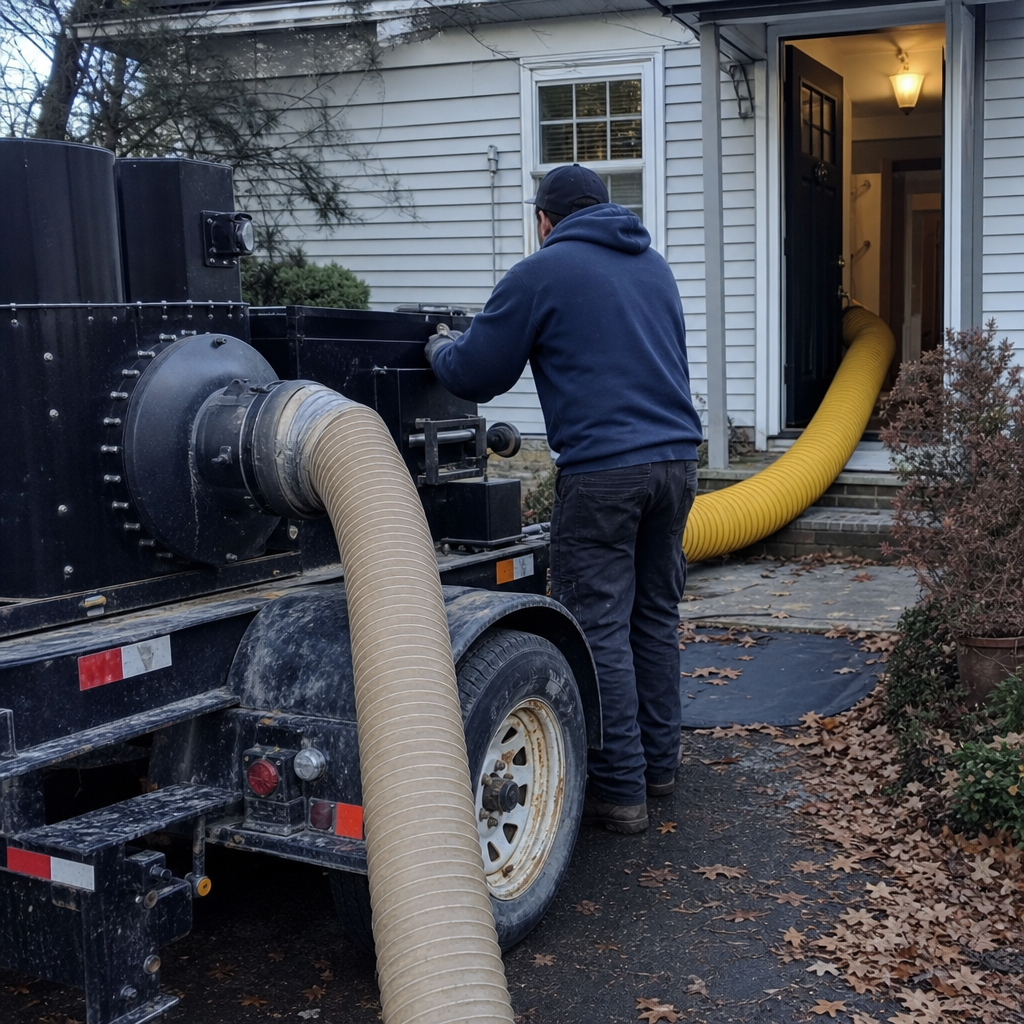
Worth-it outcomes depend on method, not just decision. Consumer-grade vacuums and rotary brushes sold to homeowners can’t achieve the agitation, containment, and extraction that contaminated ductwork requires. Our Rotobrush system uses powered auger brushes with simultaneous vacuum extraction—agitation without debris release into occupied space. Nikro HEPA equipment maintains negative pressure containment during service.
For New Haven’s irregular retrofitted geometry—ductwork bent around original timber framing, dead legs in wall cavities, uninsulated basement runs—we adapt approach to conditions. Standard residential setups assume rectangular ductwork in conditioned basements. We rarely encounter that ideal in this market. Brian’s Gateway Community College training in HVAC fundamentals, reinforced by eight years of field adaptation, means we’re not learning your system’s quirks at your expense.
We also verify compatibility with installed IAQ equipment. If you have Aprilaire or Honeywell media filters, electronic air cleaners, or Abatement Technologies UV systems, our cleaning protocol preserves those components and verifies function post-service. Guardsman-treated duct surfaces receive compatible sanitizing where warranted.
FAQs
Residential air duct cleaning in New Haven typically ranges from $400 to $900 for a standard single-system home, with larger multifamily properties or severely contaminated systems running higher. The variation depends on system size, accessibility of retrofitted ductwork, and whether repair or sealing is needed alongside cleaning. Call (844) 981-4535 for an exact quote—estimates are free, and Brian will scope your system before quoting.
Yes, when debris loading has measurably restricted airflow—documented through static pressure testing before and after service. In New Haven’s older homes with decades of accumulated particulate, we’ve recorded pressure drops that correlate with reduced furnace cycle times. The savings depend on your current restriction severity and energy rates; minor loading produces minor savings, while significant blockage can yield noticeable improvement.
Repair and sealing is almost always cheaper than full replacement for retrofitted ductwork in New Haven’s pre-1940 housing, where replacement involves demolition of original plaster and structural modification. We evaluate whether existing ductwork can be sealed, insulated, and restored to functional condition before recommending the more invasive option. Brian’s assessment includes a frank cost comparison based on what he’s encountered in similar local properties.
Musty odors when the system runs, visible discoloration at vent openings, or humidity-related allergy symptom patterns are indicators—but camera inspection is the only reliable confirmation. In New Haven’s coastal climate, uninsulated basement runs are the highest-risk locations. We scope these sections before recommending any service, and we’ll show you what we find. If there’s no confirmed biological growth, we’ll tell you cleaning isn’t warranted yet.
Key Takeaways
- Air duct cleaning is worth it when documented contamination exists—mold, pests, or significant debris—not as routine maintenance for every home
- New Haven’s pre-1940 housing stock, coastal humidity, and retrofitted ductwork create those documented conditions more frequently than national averages
- Cleaning for performance (airflow restriction) produces measurable results; cleaning for hygiene (biological growth) removes confirmed contamination
- Active moisture infiltration must be addressed alongside or before cleaning, or contamination returns—this is why diagnostic scope matters
- Professional-grade equipment (Rotobrush, Nikro) and technician expertise adapt to irregular local duct geometry that consumer tools cannot handle
If you’d rather have your system looked at, Northstar Air Duct Cleaning Service Greater New Haven offers a no-pressure assessment in New Haven—Brian shows up, scopes your ductwork, and tells you honestly whether cleaning delivers value for your specific conditions. Call (844) 981-4535 to schedule.
Written by Brian Rivera, Owner & Lead Technician at Northstar Air Duct Cleaning Service Greater New Haven, serving New Haven, CT.