
Duct Sealing Cost in New Haven, CT: What You’ll Actually Pay Based on Your Home’s Ductwork
Duct sealing in New Haven typically runs $400–$1,800 for most residential jobs, with smaller repairs starting around $180 and extensive resealing of aging galvanized systems in pre-1940 multifamily homes reaching $2,500+. Call (844) 981-4535 for a free, in-person estimate — we’ll scope your actual ductwork before quoting, because the gap between a tight modern ranch in East Shore and a triple-decker in Dwight with 60-year-old crimped seams is enormous.
Why That Dwight Triple-Decker Isn’t a $200 Job
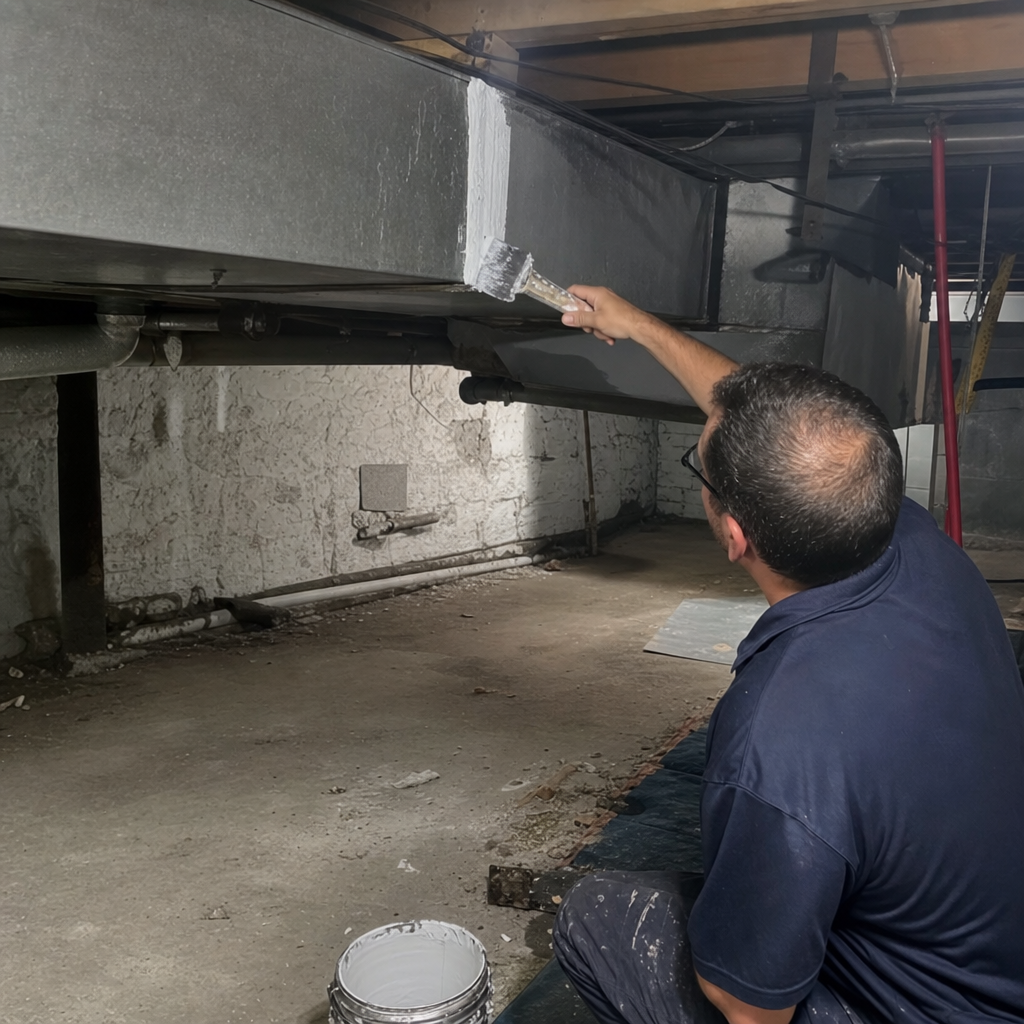
On a job in Dwight last year, Brian Rivera pulled back the insulation on a basement run and found galvanized ductwork that had been re-taped over three separate tenancy cycles — cloth tape on top of foil tape on top of the original crimped seams. Each layer had failed. The metal itself was fatigued at every joint. That’s not a quick seal-and-go. That’s a project.
New Haven’s housing stock skews heavily pre-1940, with triple-deckers, two-family colonials, and subdivided Queen Anne Victorians in neighborhoods like East Rock, Wooster Square, and Dwight. Most were built for gravity hot-air or steam heat and later converted to forced-air with retrofitted ductwork that bends around original plaster walls and timber framing. The result? Irregular duct geometry, dead-leg runs, and uninsulated sheet-metal sections sitting in unconditioned basements — conditions that standard residential duct-cleaning setups must adapt to on nearly every job.
We’ve learned to quote duct sealing by linear foot of leaking run, not by square footage of house or number of vents. Here’s why that matters for your estimate:
- Linear footage of actual leaks: A 1,200-square-foot ranch with tight, modern flex duct might need 15 feet of sealing. A similarly sized 1920s two-family with original galvanized runs through wall cavities could need 80+ feet.
- Condition of existing seams: Crimped joints that have been taped and re-taped multiple times often need mastic compound application or partial replacement rather than simple re-taping.
- Accessibility: Unfinished basements in New Haven’s older homes let us reach most runs directly. Finished ceilings in retrofitted attic spaces or enclosed soffits add labor hours.
- Material degradation from coastal humidity: New Haven sits at the northern end of Long Island Sound on a tidal harbor, producing persistently elevated coastal humidity even in winter months. Uninsulated duct runs in older basement and crawl-space retrofits regularly develop condensation that degrades tape adhesion faster than in dry inland climates, accelerating seam failure and increasing the scope of sealing work.
What Duct Sealing Costs in New Haven: Line-Item Pricing
We don’t do flat-rate “whole house” pricing because we’ve seen too many homeowners pay for work their system doesn’t need — or get quoted for a basic seal when their ductwork actually needs structural repair. After inspecting your system with our Rotobrush and Nikro equipment, we’ll break down the estimate like this:
| Service Item | Low Range | High Range |
|---|---|---|
| Minor spot sealing (1–2 accessible leaks, mastic or foil tape) | $180 | $350 |
| Moderate sealing (multiple joints, basement runs, standard mastic application) | $400 | $800 |
| Extensive sealing (aging galvanized, multiple re-tape cycles, partial replacement of failed sections) | $900 | $1,800 |
| Complex retrofit systems (finished-ceiling access, dead-leg removal, full resealing of multifamily runs) | $1,500 | $2,500+ |
| Duct inspection and leak detection (credited toward sealing work if hired) | $75 | $150 |
These ranges reflect what we’ve actually quoted and completed across 275 jobs in greater New Haven. The variance is real, and it’s why we insist on inspecting before pricing.
Duct Sealing vs. Duct Cleaning: Know What You’re Paying For
Homeowners in New Haven regularly conflate these two services, and some contractors are happy to let that confusion stand. Here’s the distinction: duct sealing addresses air loss and contaminant infiltration through leaking seams, disconnected joints, and degraded tape; duct cleaning removes accumulated debris, dust, and biological growth from inside already-sealed ductwork. Both may be needed, but sealing a dirty system traps contaminants inside, while cleaning a leaky system just lets new debris enter through the same gaps.
We’ve found this especially true in New Haven’s rental-heavy neighborhoods near Yale, where ductwork in the Dwight and Edgewood areas often goes 20–40 years without proper maintenance. Technicians working these blocks routinely uncover original 1920s–1930s galvanized sheet-metal ductwork — crimped, duct-taped over multiple tenancy cycles, and packed with debris — that no property manager has touched since the furnace was swapped out. Sometimes there’s residue from lead paint disturbed during informal renovations. You don’t want to seal over that without cleaning first, and you don’t want to clean without sealing after.
That’s why our Duct Repair & Sealing service and our full duct cleaning process are designed to work together, assessed and completed by the same technician. Brian shows up, scopes the system with a camera where needed, and tells you straight whether you need one, both, or neither. Our home page outlines the full service menu, but on this topic specifically: we’ll never sell you sealing when your ducts need cleaning first, or cleaning when your real problem is a disconnected return in the basement.
What Drives Cost Up in New Haven’s Older Homes
After eight years working in the trades around the same streets he grew up on — Brian Rivera grew up in Westville and trained at Gateway Community College before launching Northstar — he’s identified the specific conditions that inflate sealing costs in this market:
Improvised retrofit geometry. Ductwork routed through unintended wall cavities and crawl spaces in converted Victorians creates dead-leg runs where pressure imbalances force leaks at every turn. These aren’t standard joints; they’re stressed connections that need reinforcement, not just tape.
Condensation damage from coastal humidity. That Long Island Sound moisture we mentioned? It doesn’t just degrade tape. It rusts galvanized seams, loosens mechanical fasteners, and promotes mold colonies that compromise mastic adhesion. We’ve opened basement runs in East Rock homes where the tape failed not from age but from biological growth underneath it.
Layered failure history. The Dwight job wasn’t unusual. Student rentals and high-turnover multifamily housing mean ductwork gets “repaired” by whoever’s cheapest, fastest, and least accountable. By the time we see it, three or four temporary fixes are hiding the underlying problem. Stripping that back to sound metal takes time and care.
Access limitations. Original plaster walls and timber framing weren’t designed for ductwork. Runs that disappear into finished soffits or between floors in triple-deckers may need strategic access cuts — always discussed and priced upfront, never sprung as a surprise.
How We Quote: The Northstar Inspection Process
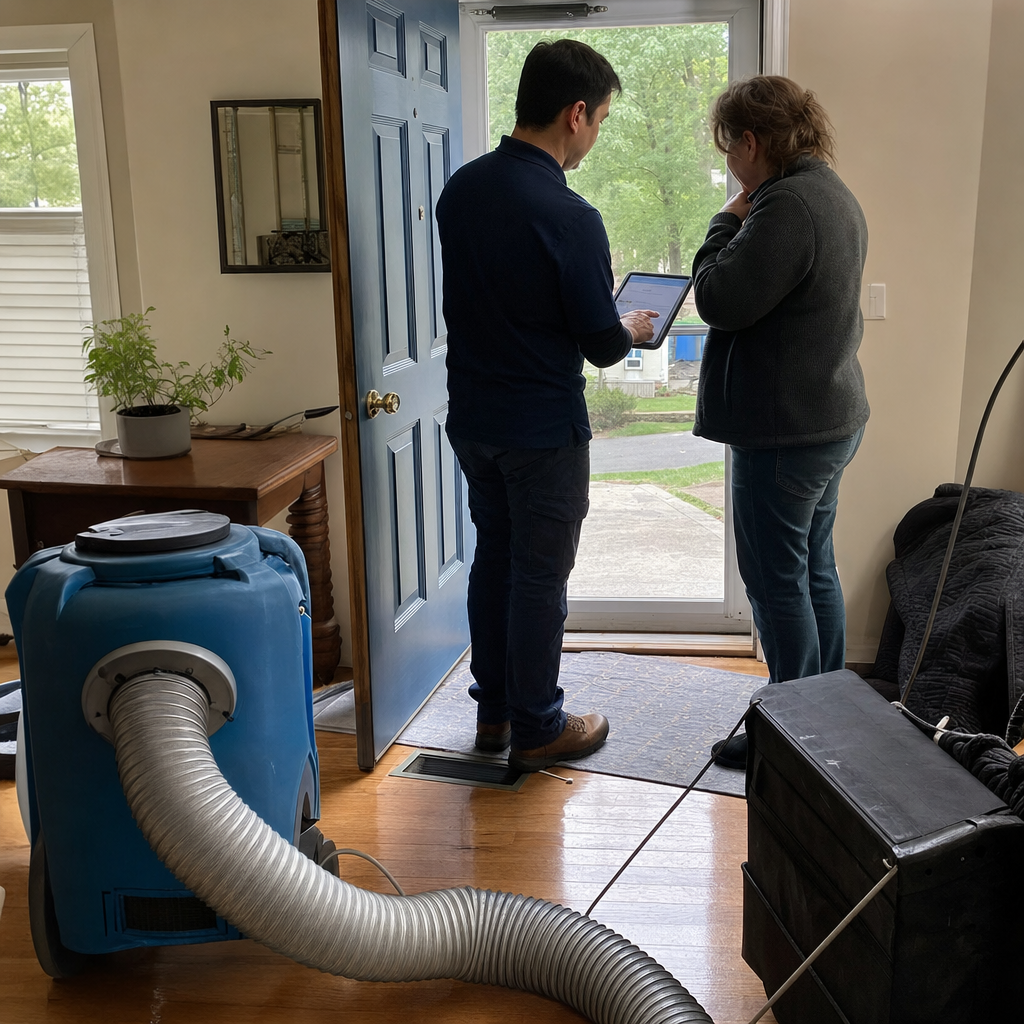
When you call (844) 981-4535, we’ll schedule a free estimate. Brian arrives with our Nikro inspection camera and a Rotobrush setup for initial assessment. He checks:
- Visible basement and crawl-space runs for tape condition, rust, and disconnected joints
- Return air plenums for gaps and filter bypass — a common source of unfiltered air infiltration
- Supply register connections for loose boots and failed caulk
- Pressure differentials that indicate hidden leaks in wall cavities
- Existing compatibility with Aprilaire, Honeywell, and Guardsman IAQ components already in your system
From that inspection, we build a line-item estimate: this many feet of accessible sealing at this rate, this much mastic compound for degraded seams, this much time for access in finished spaces. You’ll know exactly what you’re paying for and why before we start. As Brian puts it: “I’ll tell you what your system needs — not what adds to the invoice.”
When Sealing Isn’t Enough: Repair and Replacement
Sometimes we find ductwork that’s past sealing. Crimped galvanized that’s rusted through at the seams, sections crushed by decades of basement storage, or improvised flex duct that’s kinked and sagging. In those cases, we’ll quote partial replacement alongside sealing — always as separate line items so you see the breakdown.
Our professional-grade equipment lets us handle both: the Rotobrush system for cleaning before we seal, the Nikro negative-air setup for containing debris during repair work, and the mechanical tools for fabricating and installing replacement sections. One technician, one accountability chain, no coordination gaps between separate contractors who each assume the other handled adjacent problems.
Key Takeaways: What New Haven Homeowners Should Know
- Duct sealing cost depends on linear feet of leaking run and condition of existing seams — not house size alone
- New Haven’s pre-1940 housing stock and coastal humidity create conditions that increase sealing scope compared to inland markets
- Sealing and cleaning are distinct services; either one without the other can leave your system compromised
- Always insist on inspection before a firm quote; flat-rate pricing without seeing the ductwork risks under- or over-payment
- Owner-operator accountability matters: the same person who quotes the work performs it, with 8 years of hands-on expertise and 275 verified reviews backing the assessment
FAQs
Most residential duct sealing jobs in New Haven fall between $400 and $1,800, with minor repairs starting around $180 and extensive work on aging multifamily systems reaching $2,500+. The exact cost depends on linear footage of leaking runs, seam condition, and accessibility — which is why we inspect before quoting. Call (844) 981-4535 for a free estimate tailored to your actual ductwork.
Spot sealing with mastic or foil tape is almost always cheaper than replacement for isolated leaks, running $180–$350 versus $500–$1,200 for new sections. However, when galvanized ductwork is rusted through, crushed, or has failed at multiple crimped joints — common in 1920s–1930s New Haven systems — partial replacement becomes more cost-effective than repeated resealing. We assess this during inspection and recommend accordingly.
Yes — typically by 15–30% in homes with significant leakage, according to Department of Energy estimates we’ve seen validated in our fieldwork. In New Haven’s older homes with uninsulated basement runs and disconnected returns, the savings often exceed the sealing cost within two to three heating seasons. The bigger immediate benefit for many homeowners is improved air quality: sealed ducts don’t pull basement dust, mold spores, or rodent debris into your living space.
Most residential sealing jobs take 3–6 hours for accessible basement runs, or a full day for complex retrofits with finished-ceiling access. We can often schedule within 48–72 hours for standard jobs, and we carry the equipment to complete sealing immediately after inspection if you approve the estimate on site. Emergency scheduling for severe leaks — like a disconnected return causing visible dust plumes — is available; call (844) 981-4535 to check current availability.
Get Your Free Duct Sealing Estimate in New Haven
Don’t guess at your duct sealing cost based on square footage or a phone quote from someone who hasn’t seen your basement. Brian Rivera will inspect your actual system — its age, its geometry, its failure history — and give you a line-item estimate you can understand and verify. No upsells, no surprises, just straight answers from the technician who’ll do the work. Call (844) 981-4535 today for your free estimate anywhere in greater New Haven.
Written by Brian Rivera, Owner & Lead Technician at Northstar Air Duct Cleaning Service Greater New Haven, serving New Haven, CT.